On this page
Key facts: The shoulder is the hardest joint to self-wrap — the barbell hack solves this. Anchor the band on a barbell sleeve, roll it away from your body to create an internal-rotation bias, spiral high over the deltoid toward the AC joint at ~50% tension, and mobilize for 2 minutes. Overhead position after release should feel noticeably more open. Research on soft-tissue compression shows acute improvements in shoulder internal-rotation range of motion with a single application.
Set Up the Barbell Anchor
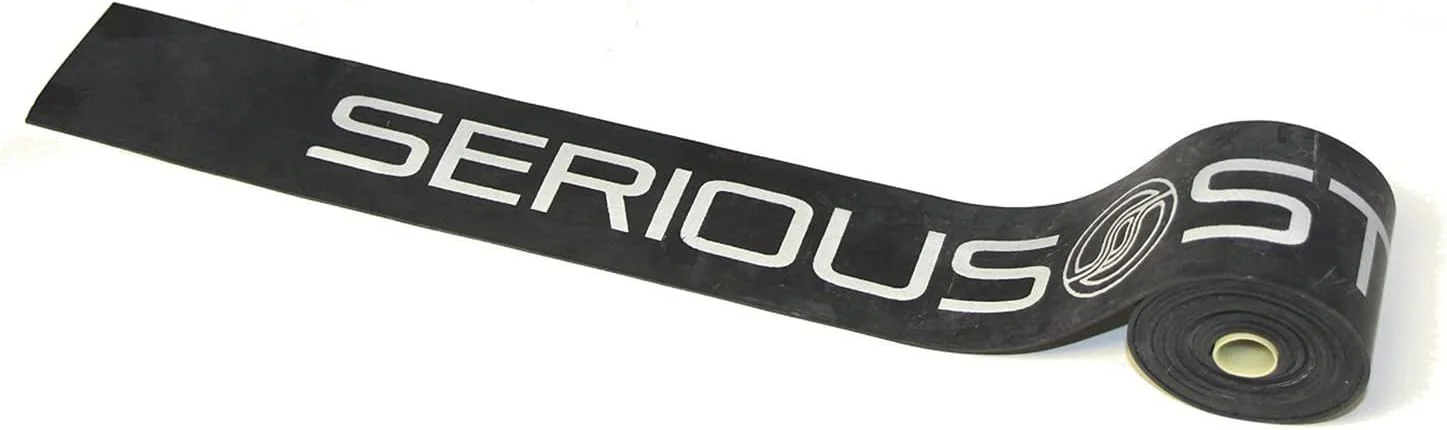
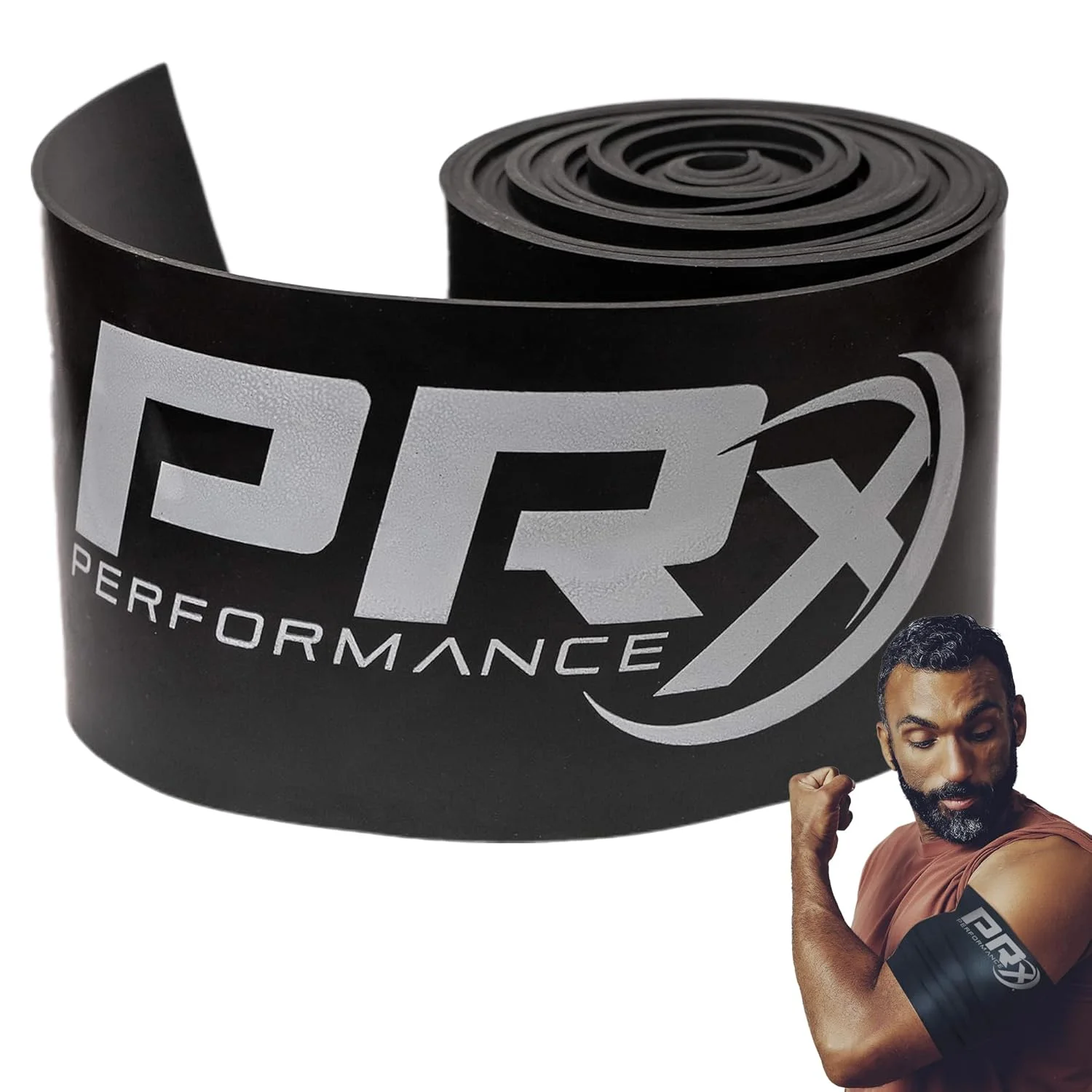
Anchor the Voodoo Floss on the end of a 45-lb barbell sleeve. Always roll the floss away from your body to create an internal rotation bias — whether you’re wrapping the right or left arm. The barbell’s mass keeps the anchor stable so you can pull real tension without a partner.
The internal-rotation bias is deliberate: most overhead athletes and desk workers are stuck in external rotation, with the posterior capsule shortened and the anterior structures over-lengthened. Wrapping with an inward roll biases the correction.
Wrap High & Tight
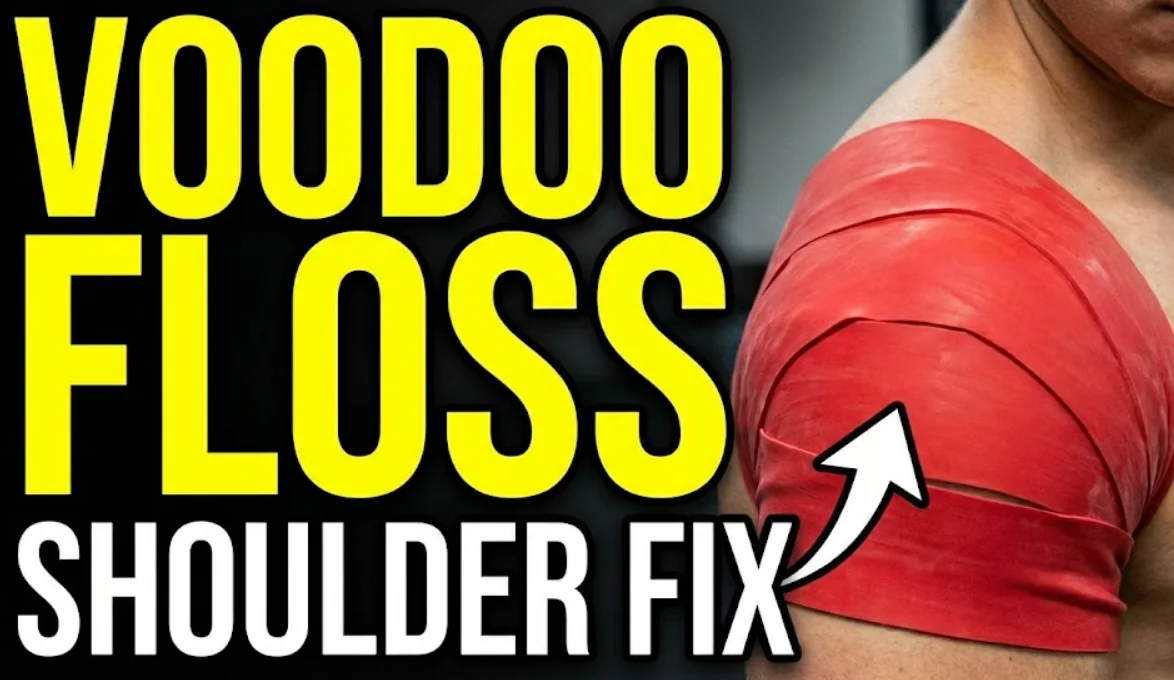
Start with one easy pass high on the deltoid to anchor. Keep the floss rolling away from you as you spiral up over the shoulder capsule toward the AC joint. Aim for ~50% tension. Hold the non-rotating part of the sleeve to keep tension consistent; let it spin slightly if you need to bleed off pressure. Finish by tucking the end under a wrapped section.
How to Dial Tension With the Sleeve
Holding the inner sleeve controls how tight the wrap stays as you move. Keep the arm you’re wrapping slightly abducted to create space for passes under the arm. Maintain that internal rotation bias to promote tissue glide for overhead positions.
If the band feels like it’s cutting circulation rather than compressing tissue, bleed pressure by gripping the outer sleeve and letting it unspool one half-turn. You want firm compression, not a tourniquet.
Mobilize: 2-Minute Flow
Minute 1: Active ROM — flexion/extension, abduction/adduction, internal/external rotation. Explore every plane. The goal is to drive tissue layers against each other under compression, restoring sliding surfaces that get stuck after repetitive-use patterns.
Minute 2: Match the workout — light presses with an empty bar, scap pull-ups, or banded pull-downs to pattern the new functional range.
Remove, retest (better/same/worse), and re-wrap lighter if you feel tingling. Expect improved overhead comfort and tissue glide for pressing or gymnastics.
Frequently Asked Questions
How do you voodoo floss your shoulder by yourself?
Use the barbell hack: anchor one end of the floss band on the end of a loaded 45-lb barbell sleeve. Roll the band away from your body as you spiral up over the deltoid toward the AC joint at ~50% tension. The barbell's mass keeps the anchor stable without a partner.
How tight should voodoo floss be on the shoulder?
Aim for about 50% of the band's maximum stretch. The shoulder has more soft tissue than the wrist or ankle, so you need real tension to reach the capsule, but never so tight that your hand or fingers tingle. Remove the band immediately if you feel pins and needles.
What movements should I do while voodoo flossing my shoulder?
For the first minute, explore active range of motion in every plane — flexion, extension, abduction, adduction, internal and external rotation. For the second minute, mimic your workout: empty-bar presses, scapular pull-ups, or banded pull-downs. Patterning the new range under compression locks in the motor pattern.
Is voodoo flossing good for shoulder impingement?
Compression flossing can help restore tissue glide around the rotator cuff and the sub-acromial space, which is often restricted in impingement. However, always consult a physical therapist for a diagnosis before self-treating. Avoid wrapping if there is acute inflammation or an undiagnosed structural issue.