On this page
Origins: Hartzell → Starrett
Compression flossing started with Dick Hartzell’s Jump Stretch bands and was battle-tested by powerlifters at Westside Barbell (Louie Simmons) who would duct-tape hamstrings before squats. Kelly Starrett refined the approach into a repeatable “voodoo floss” method—Jesse Burdick joked it was like magic, and the name stuck.
Flossing is not blood-flow restriction training. Instead of chasing metabolic stress, it leverages sensory input, tissue sliding, joint mechanics, and a flushing effect when you release the wrap.
How Voodoo Floss Works
Under tension and overlap, the band compresses tissue, then movement drives layers to slide and glide. On release, a rapid blood rush delivers an analgesic effect and rehydrates the area. Expect immediate—yet transient—improvements in range of motion, especially for knees, hamstrings, and IT bands.
Starrett’s priority: move the wrapped joint through full and novel ranges, not just easy reps. Deep squats, lunges, lateral shifts, and rotations create the biggest mobility payoff.
Knee Wrap & Movement Protocol (Kelly Starrett)
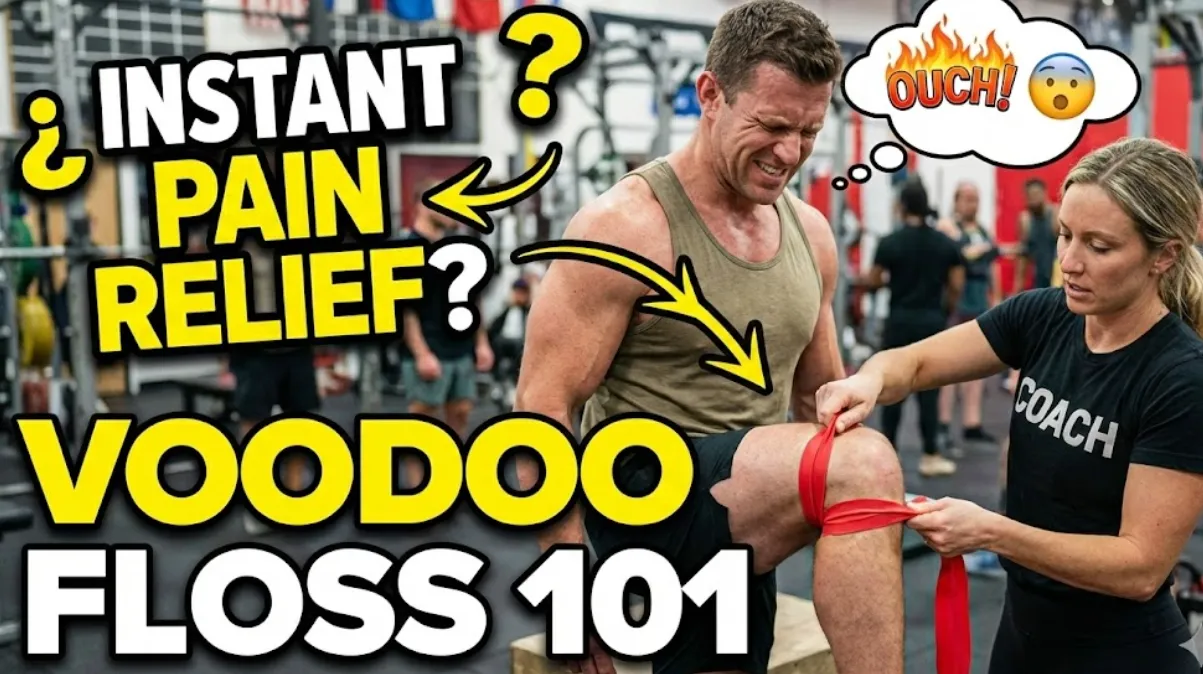
- Wrap with ~50% tension and ~50% overlap, starting below the knee and spiraling upward; finish with a tuck.
- Move immediately for 1–2 minutes: deep squats, split squats, lateral lunges, knee rotations, calf/hamstring flossing, and ankle rocks.
- Release, then retest a key position (e.g., knee flexion depth, dorsiflexion in a lunge). Note: better, same, or worse?
Safety & Red Flags
Stop immediately if you feel numbness or tingling. Keep total wrap time under 2–3 minutes. Avoid during active competition. Contraindications: DVT, severe circulatory issues, uncontrolled hypertension, pregnancy, and latex allergy.
Use lower pressure for best results (around 50% tension). Higher, tourniquet-level pressure is unnecessary and counterproductive.
Band Choices & Test/Retest
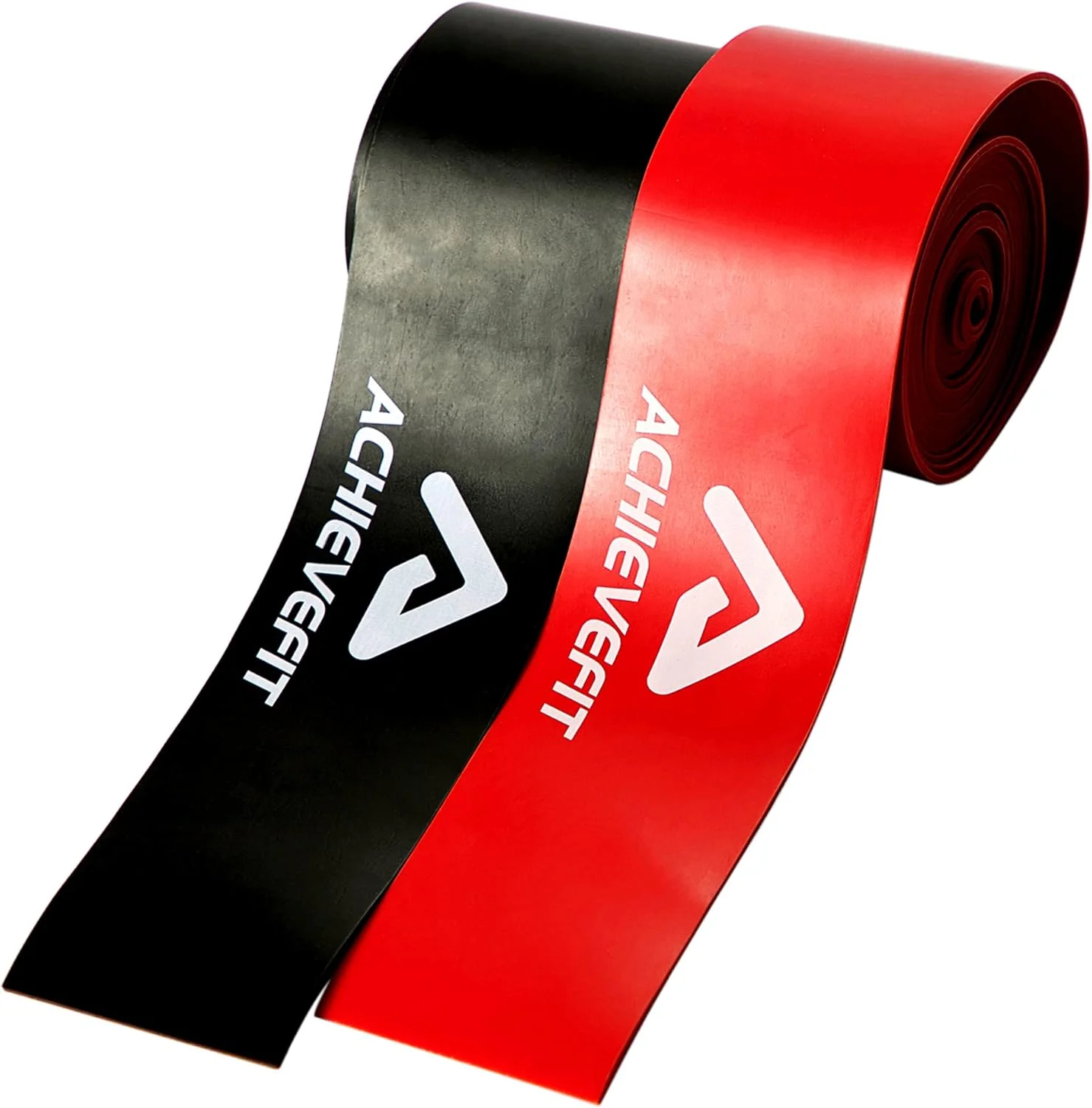
Thinner “cuttier” bands shear tissues and restore sliding surfaces; wider bands are better for decongesting swollen knees by compressing lymphatic flow. Always finish with a quick retest to confirm the change before your next set.
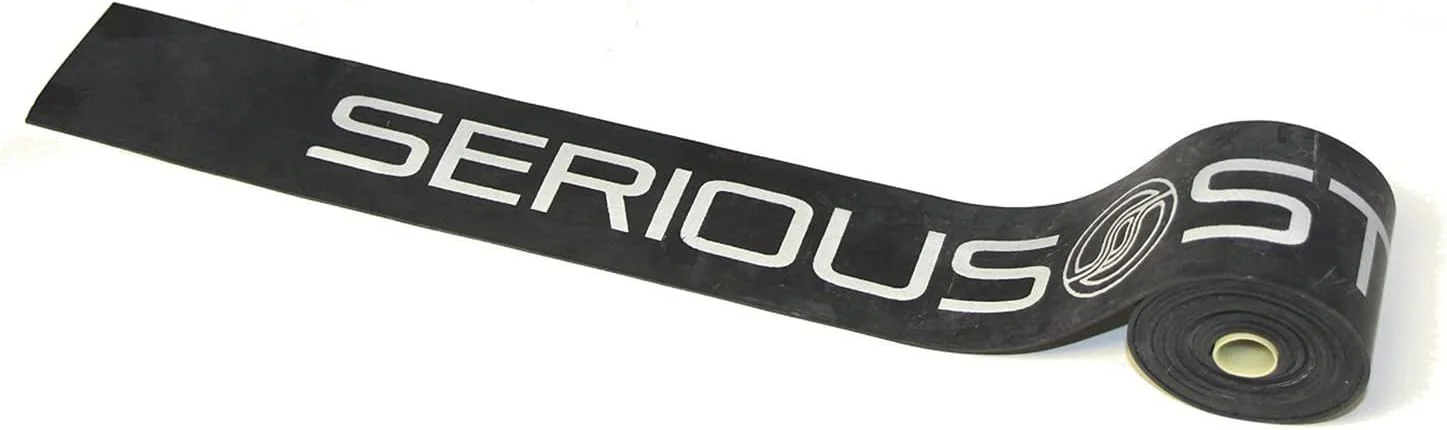
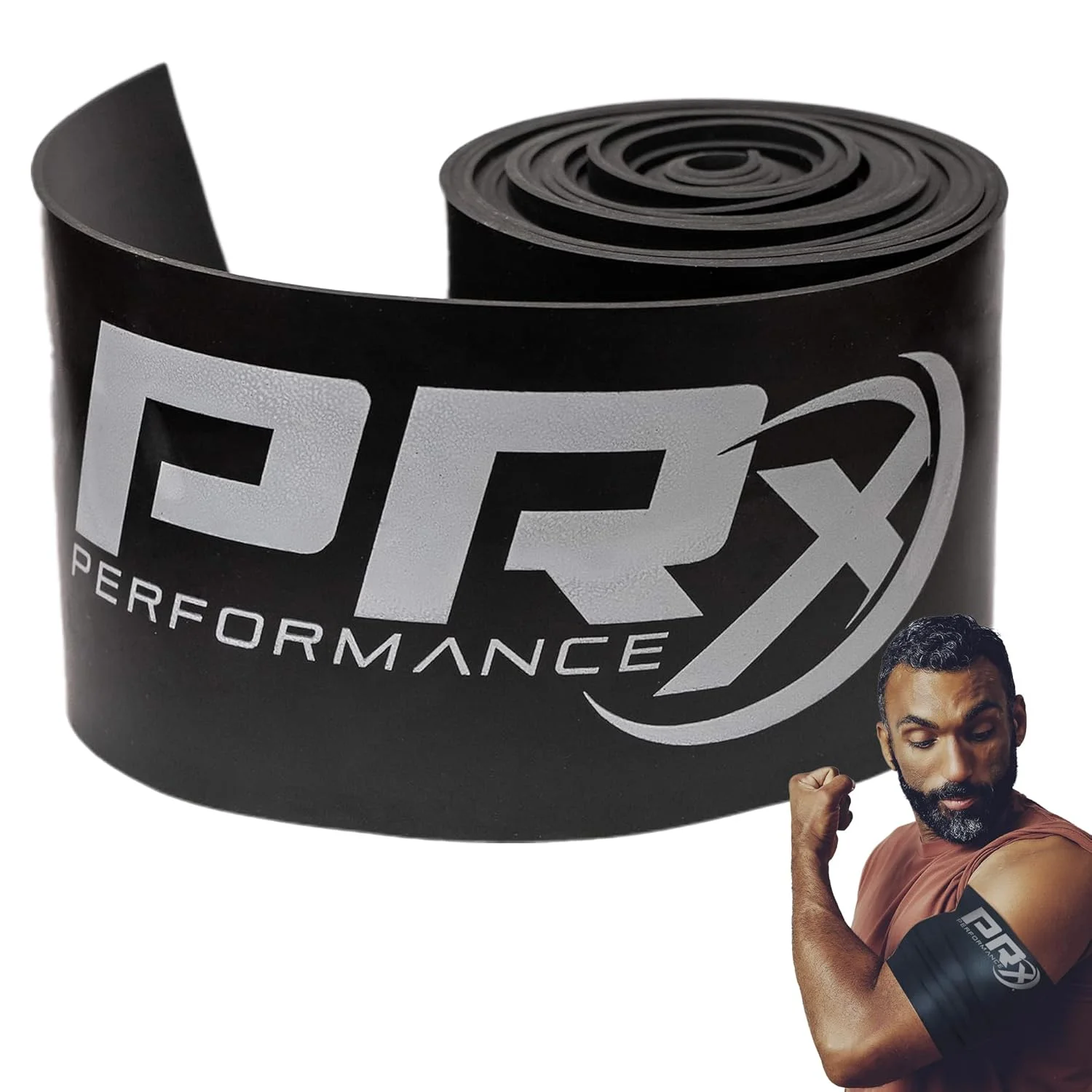
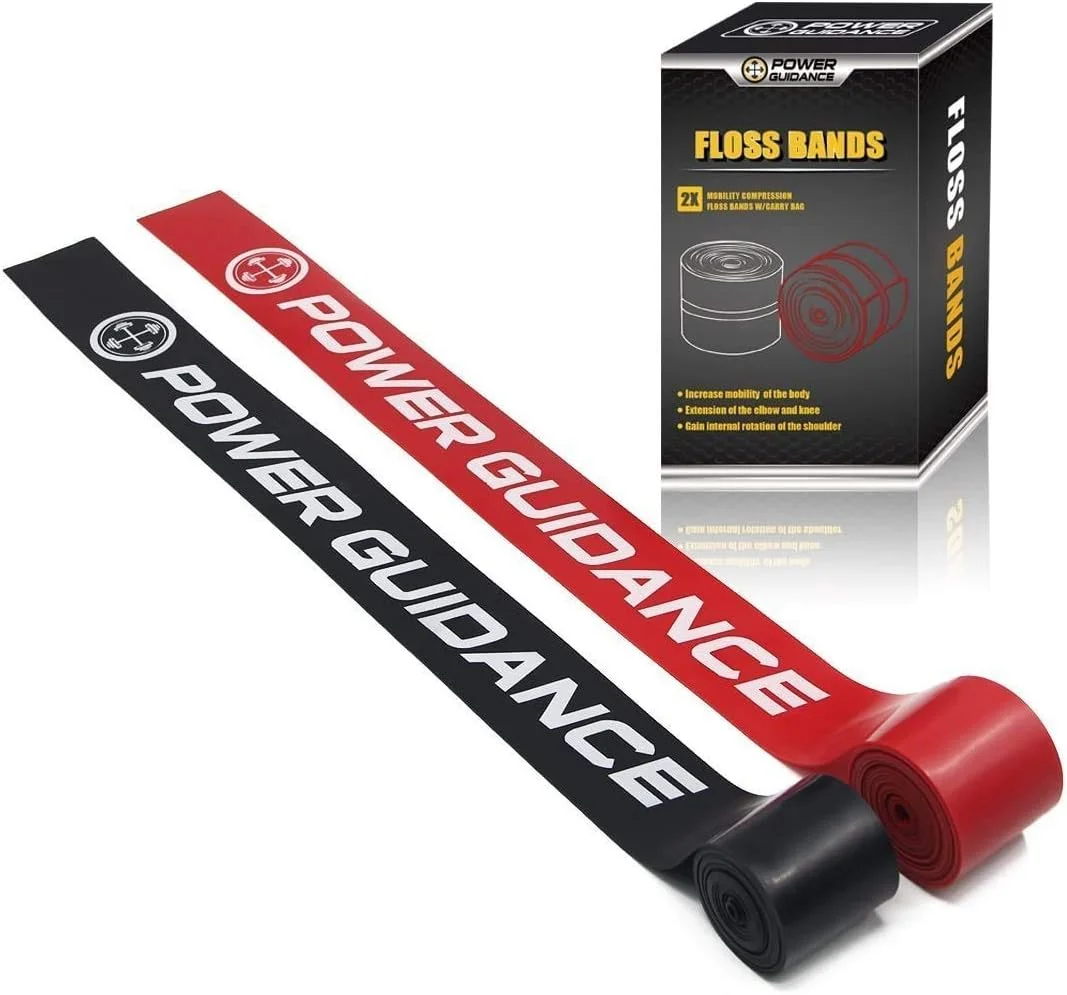
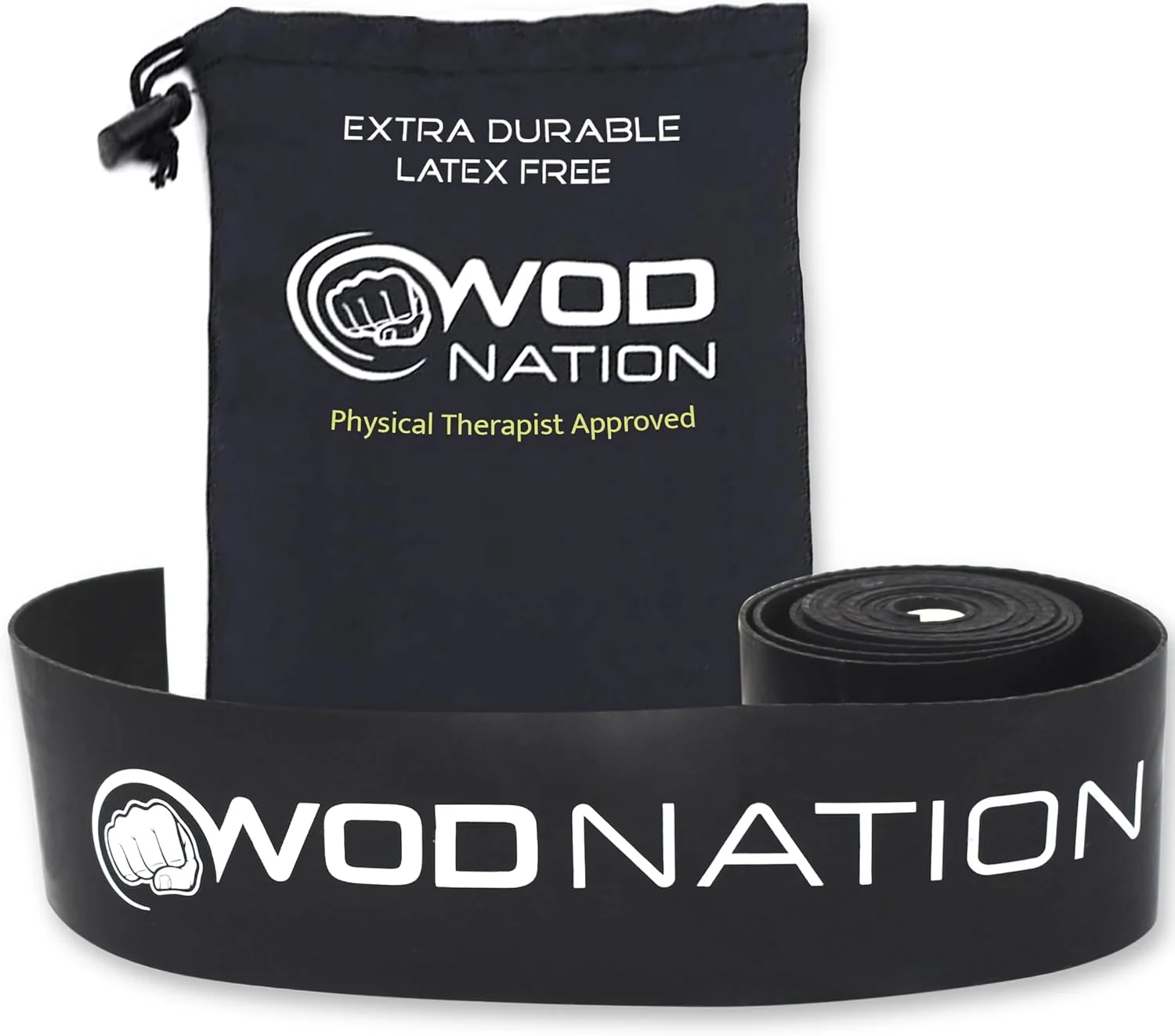
Popular options people search for: WOD Nation floss bands, Power Guidance floss bands, mobility compression floss bands for knees and hamstrings, and voodoo floss IT band wraps. See the picks below.
Movement Over Comfort: Explore End Ranges
Starrett’s core rule: don’t just stand and do easy air squats. Under compression, drive the joint through full and novel ranges—deep squats, lunges in every direction, lateral shifts, rotations, ankle rocks, and calf/hamstring flossing. Movement plus compression restores sliding surfaces and joint mechanics.
Simple tweaks create a bigger stimulus. Elevating the front foot in a lunge (rear foot on the floor) forces the back hip and quad into deep extension, exposing positions ground-level lunges miss. Use these variations to challenge every vector your knee needs.
Wrap Rules & Immediate Feedback
Wrap with ~50% tension and ~50% overlap; tuck the end. Move for about two minutes, then unwrap and retest your target position. The key question: “Better, the same, or worse?” If better, keep it; if not, adjust your drill.
The rapid blood rush on release often delivers an analgesic effect—pain eases, letting you train better positions. If you lose sensation, stop and re-wrap lighter.
Build Resilience, Not Perfection
“The goal is always movement… If there’s one person in the world who can buffer changes in their joints and they’re pain-free, that means we all can have that level of function.” — Kelly Starrett
Flossing is a low-cost, anywhere tool for knee pain, hamstring tightness, or IT band stiffness. By managing tissue congestion, restoring glide, and improving mechanics, you can move pain-free and keep training hard.